Introduction
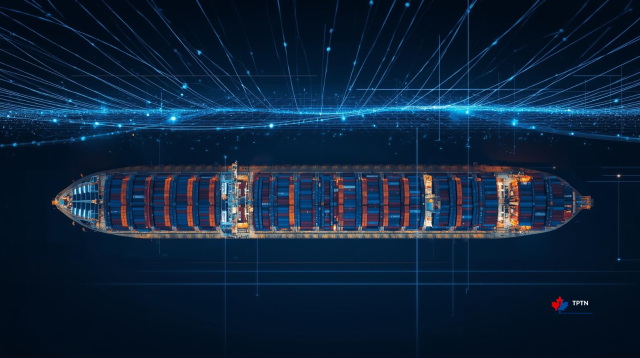
The global trade landscape is rapidly evolving, and Canada is at the forefront of this transformation with its innovative AI trade infrastructure. By leveraging artificial intelligence, Canada is streamlining its trade processes, enhancing efficiency, and maintaining its competitive edge in the international market. This advancement not only benefits Canadian businesses but also influences global trade dynamics.
The Role of AI in Trade
AI trade infrastructure is revolutionizing the way trade is conducted by automating complex processes and providing real-time insights. It helps in predicting market trends, optimizing supply chains, and ensuring compliance with international regulations. By using machine learning algorithms, AI can analyze vast amounts of data to offer valuable insights into market demands, pricing strategies, and potential risks.
Canada’s Strategic Implementation
Canada’s government and private sector have been proactive in adopting AI trade infrastructure. By investing in cutting-edge technologies, Canada is enhancing its trade operations and setting a benchmark for others to follow. The integration of AI in logistics and customs processes has significantly reduced delays, minimized human error, and improved the accuracy of trade documentation. This strategic implementation of AI trade infrastructure is crucial for maintaining Canada’s position as a global trade leader.
Benefits for Businesses
For Canadian businesses, AI trade infrastructure offers numerous advantages. It enables companies to optimize their supply chains by predicting disruptions and suggesting alternative routes. This reduces costs and improves delivery times, enhancing customer satisfaction. Additionally, AI provides businesses with the ability to tailor their offerings to meet the specific demands of international markets, thereby increasing their export potential.
Challenges and Considerations
Despite its numerous benefits, the adoption of AI trade infrastructure is not without challenges. Data privacy and security remain significant concerns, as the integration of AI involves handling sensitive information. Ensuring that AI systems are transparent and free from bias is also critical to maintaining fairness in trade practices. Moreover, businesses must invest in training their workforce to effectively utilize AI technologies.
Conclusion
Canada’s embrace of AI trade infrastructure is transforming the global trade landscape. By leveraging artificial intelligence, Canada is enhancing the efficiency of its trade processes, benefiting businesses and reinforcing its position in the international market. While challenges remain, the potential for AI to revolutionize trade is undeniable. As Canada continues to innovate and refine its AI trade infrastructure, it sets a precedent for other nations to follow, paving the way for a more efficient and interconnected global trade system.
To learn more, visit us on:
Canada’s AI Trade Infrastructure for Exporters & Government | TPTN
https://www.tptnexus.com/
Montreal (Rosemont—La Petite-Patrie) – Quebec, Canada
TPTN is Canada’s AI trade infrastructure—DGC-validated, SME-ready, investor-aligned, and built to simplify compliance and power secure, scalable exports.
