
Managing personal devices has become one of the quiet operational challenges of modern life. Phones are essential, but they can also disrupt attention, compromise privacy, weaken participation, and create tension in places where focus matters most. A thoughtful system does not need to be punitive or complicated. In many settings, a Safe Pouch offers a practical middle ground: people keep possession of their devices while organizations set clear, visible boundaries around when and how those devices can be used.
That balance is what makes the concept so effective. Instead of confiscation, constant monitoring, or unrealistic trust-based rules, a lockable phone pouch creates structure. It acknowledges that devices are part of daily life, while still protecting the purpose of a classroom, performance, meeting, treatment session, or secure workspace.
Why device management has become more complicated
Device management is no longer just an issue of courtesy. In many environments, it touches safety, privacy, productivity, and the overall quality of the experience. A ringing phone in a theater is distracting, but a camera-enabled device in a confidential meeting or restricted area can be a more serious concern. In schools, constant access can undermine concentration and social interaction. In workplaces, phones can create security risks or interrupt task flow in roles that require accuracy and consistency.
Traditional approaches often fall short because they sit at two extremes. On one side, there are loose policies that depend on self-enforcement. On the other, there are strict collection methods that can feel intrusive and create practical problems around storage, responsibility, and trust. Most organizations are looking for something more workable: a system that is easy to explain, simple to administer, and fair to everyone involved.
That is where a physical solution changes the conversation. Rather than turning device rules into a daily argument, it creates a shared process. Expectations become visible, consistent, and easier to respect.
What a Safe Pouch actually solves
A Safe Pouch is not just a container. Its value lies in the boundaries it creates without fully separating people from their property. Users typically place their own phone inside the pouch, which is then locked until an authorized unlocking point is available. The device remains with the owner, but access is intentionally paused.
This solves several recurring problems at once:
- Distraction control: When phones are physically inaccessible, the temptation to check messages, social feeds, or alerts drops significantly.
- Privacy protection: In settings where filming or recording is inappropriate, a locked pouch helps reduce unauthorized capture.
- Fairness: Everyone follows the same rule, which removes ambiguity and selective enforcement.
- Reduced conflict: Staff and organizers spend less time confronting individuals about device use.
- Device custody: People keep their own phones, avoiding the friction and liability concerns that come with collection bins or hand-in systems.
It is this combination of control and ownership that makes the Safe Pouch especially practical. People are often more willing to accept limits when those limits are transparent and respectful. The method feels less like confiscation and more like a temporary agreement tied to the setting.
| Approach | Main Advantage | Main Limitation | Best Use Case |
|---|---|---|---|
| Policy only | Simple to announce | Hard to enforce consistently | Low-risk, high-trust environments |
| Device collection | Full access control | Storage, liability, and trust concerns | Short sessions with controlled intake |
| Lockable phone pouch | Strong boundaries while users keep possession | Requires a simple unlocking process | Schools, events, meetings, secure workplaces |
Where lockable phone pouches are most effective
The usefulness of a Safe Pouch becomes most visible in environments where people need to be present, attentive, and respectful of shared rules. It can work across very different settings because the core challenge is the same: a device can pull attention away from the moment or create a risk the environment cannot absorb.
Education is an obvious example. Teachers and administrators often need a practical way to reduce off-task phone use without escalating discipline issues. A lockable pouch helps make classroom expectations clear while avoiding the complications of collecting devices at the door.
Live entertainment and events also benefit. Audiences generally want immersive, uninterrupted experiences, and performers or organizers may want to discourage filming. A phone-free environment can improve focus, presence, and respect for the event itself.
Corporate and professional settings may use pouches in training sessions, workshops, confidential briefings, or certain operational areas. When participants are not checking phones every few minutes, engagement tends to improve and discussions become more cohesive.
Care, wellness, and reflective environments can benefit as well. Counseling programs, retreats, and treatment spaces often depend on emotional presence and confidentiality. A lockable pouch helps support those goals without creating a confrontational atmosphere.
In all of these settings, the real advantage is not simply less phone use. It is a better quality of attention.
How to choose and implement the right Safe Pouch system
Not every device-management plan succeeds just because the product is sound. The rollout matters. The best systems are clear, proportionate, and easy to follow from the first day.
- Define the purpose. Be specific about why the pouch is being used. Is the goal focus, privacy, safety, confidentiality, or all of the above? Clear intent leads to better acceptance.
- Set simple rules. People should understand when devices go into the pouch, who is responsible for locking and unlocking, and what happens in exceptions or emergencies.
- Choose durable construction. A pouch should feel secure, practical, and suitable for repeated daily handling.
- Plan the flow. Entry, locking, storage while carried, and unlocking should all be smooth. Even a strong policy can fail if the process causes bottlenecks.
- Communicate respectfully. Framing matters. People respond better when the system is presented as a way to protect the experience rather than impose unnecessary control.
For organizations comparing options, product design should be evaluated with real use in mind: reliability, ease of handling, secure closure, and practicality across repeated sessions. The Safe Pouch from Win Elements fits naturally into this conversation, particularly for schools, venues, and businesses that want a lockable phone pouch solution that feels straightforward rather than disruptive.
A helpful implementation checklist can keep the process grounded:
- Identify the spaces or sessions where the pouch will be required
- Train staff on the locking and unlocking procedure
- Prepare a concise explanation for participants or attendees
- Decide how urgent access requests will be handled
- Review the system after the first phase and refine where needed
When these basics are handled well, the pouch becomes part of the environment rather than an obstacle within it.
The long-term value of a Safe Pouch
What begins as a device-management tool often delivers wider benefits. In classrooms, it can help restore attention and reduce daily friction around enforcement. In events, it can support a more immersive and respectful atmosphere. In workplaces, it can help reinforce confidentiality and sharper participation. Over time, the presence of a Safe Pouch can also signal something important about the environment itself: that focus, privacy, and purposeful engagement are worth protecting.
That message matters because modern device use is not only about convenience. It shapes behavior, expectations, and social norms. A well-chosen pouch system does not reject technology. It creates room for better timing and better boundaries. In many contexts, that is exactly what people need.
For organizations trying to solve real device management challenges without overcomplicating the experience, a Safe Pouch stands out as a practical, balanced solution. It protects the integrity of the setting, respects personal ownership, and makes phone-use rules easier to apply consistently. When attention is valuable and privacy matters, that kind of structure is not restrictive. It is essential.
——————-
Article posted by: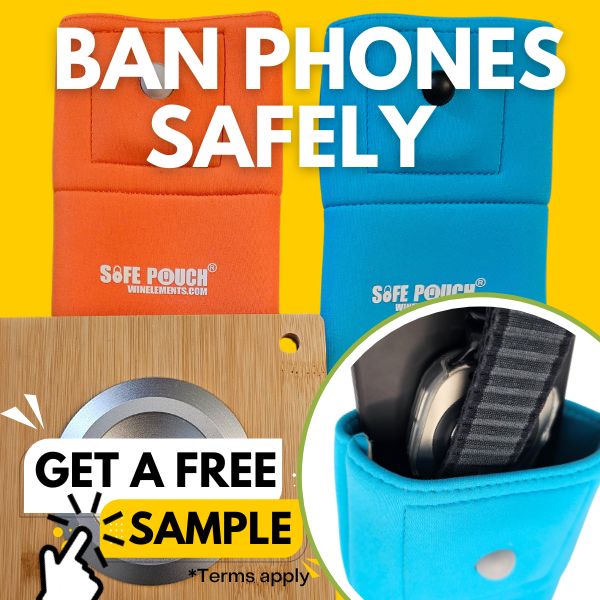
Win Elements | Lockable Phone Pouch
https://www.winelements.com/
Los Angeles, United States
Patented lockable phone pouches with multi-tiered lockers for phone locking pouches.