
Tag:

Retail

There is a reason vintage continues to appeal to discerning buyers long after trends have moved on. Older pieces offer something that mass-produced goods rarely do: presence. They carry workmanship, individuality, and a sense of permanence that can transform a room from merely decorated to genuinely lived-in. For buyers who want more than convenience and sameness, shopping vintage is often the most rewarding route. That is where Objet D’Art Stuff becomes especially relevant, not simply as a place to browse old things, but as part of a more considered approach to how we buy, collect, and live with beautiful objects.

Why vintage offers more than surface charm

The first benefit of shopping vintage is character. A vintage mirror, chest, lamp, or decorative object has visual depth that is difficult to replicate. It may show a gentle patina, hand-finished detail, solid materials, or subtle signs of age that make it feel authentic rather than manufactured to imitate authenticity. These qualities are not flaws. In many cases, they are precisely what give a piece its appeal.

Vintage also brings a stronger sense of individuality. When you buy contemporary items from large retailers, there is always the possibility that the same table, vase, or armchair appears in dozens of other homes. Vintage pieces tend to resist that sameness. Even when they come from a known period or style, they often feel singular because of their age, condition, and history. This can be especially valuable for anyone who wants an interior with personality rather than a room that looks assembled from a catalogue.

There is a cultural benefit, too. Shopping vintage encourages a greater appreciation for design traditions, craftsmanship, and the decorative arts. It teaches the eye to notice proportion, joinery, finish, ornament, and material quality. Over time, buyers often become more selective and confident because they start to understand what makes one object enduring and another forgettable.

The practical advantages of choosing vintage over new

While vintage is often associated with beauty and nostalgia, the practical case is equally strong. Many older items were made in ways that prioritised durability. Solid woods, robust metalwork, hand-carved details, and traditional construction methods can give vintage pieces a longevity that cheaper modern alternatives do not always match.

Shopping vintage can also lead to better value over time. That does not mean every old object is inexpensive, nor should it. Well-made antiques and decorative pieces often retain their appeal because they were worth making properly in the first place. A buyer may pay more upfront for quality, but the result is often an object that remains useful, attractive, and relevant for years rather than a short-lived stopgap purchase.

Another advantage is sustainability. Choosing an existing object extends its life and reduces the demand for new production. For buyers trying to make more thoughtful household decisions, vintage is one of the simplest ways to align style with restraint. It supports the idea that a home can evolve through careful selection rather than constant replacement.

Consideration Vintage pieces Mass-produced new items
Character Often unique, with patina and individuality Usually uniform and widely available
Craftsmanship Frequently built with stronger materials and traditional methods Can vary significantly depending on price point
Longevity Many pieces have already proved their durability Not always made for long-term use
Sustainability Extends the life of existing objects Requires new manufacturing and resources
Style impact Adds depth and distinction to interiors May follow short-term trends

Why Objet D’Art Stuff makes vintage shopping easier and more rewarding

One of the biggest barriers to buying vintage is uncertainty. Buyers may worry about condition, quality, authenticity, or simply whether a piece will justify the effort. That is why a curated source matters. Instead of sifting through endless mixed listings, it helps to shop with a specialist eye behind the selection.

For those looking for antiques online without losing the sense of discernment that usually comes from in-person browsing, Objet D’Art Stuff offers a more reliable and considered starting point. The value of that approach lies in curation: when the selection reflects taste and experience, buyers can focus less on noise and more on finding pieces that genuinely deserve a place in their homes.

Objet D’Art Stuff also speaks to a wider truth about buying vintage well: the best purchases are rarely impulsive. They come from choosing pieces with lasting appeal, practical presence, and decorative integrity. Whether someone is furnishing a period property, softening a modern interior, or collecting objects that tell a story, a thoughtfully presented antiques source can make that process clearer and more enjoyable.

What to look for when shopping vintage online

Buying vintage online can be deeply satisfying, but it rewards attention. The more carefully you evaluate a piece, the more likely you are to make a purchase you will appreciate for years.

  1. Study proportion and scale. A beautiful object that is the wrong size for its setting will never feel quite right. Check measurements carefully and think about placement before you buy.
  2. Read the description with care. Look for clarity around materials, age, condition, and any restorations. Honest descriptions are a good sign of a reputable seller.
  3. Examine wear thoughtfully. Age-related marks can add charm, but damage that affects structure or use is a different matter. Learn to distinguish attractive patina from problems.
  4. Prioritise versatility. The best vintage purchases often work across different rooms and design schemes. A well-made side table, mirror, chest, or lamp can remain useful even as your tastes evolve.
  5. Buy for quality, not just novelty. A decorative oddity may be amusing for a week. A beautifully made piece will still be satisfying years later.

A helpful rule is to ask whether the object contributes at least one of the following: function, beauty, or atmosphere. The strongest vintage pieces deliver all three. They serve a purpose, enrich the space visually, and make a room feel more layered and complete.

How vintage creates a more personal home

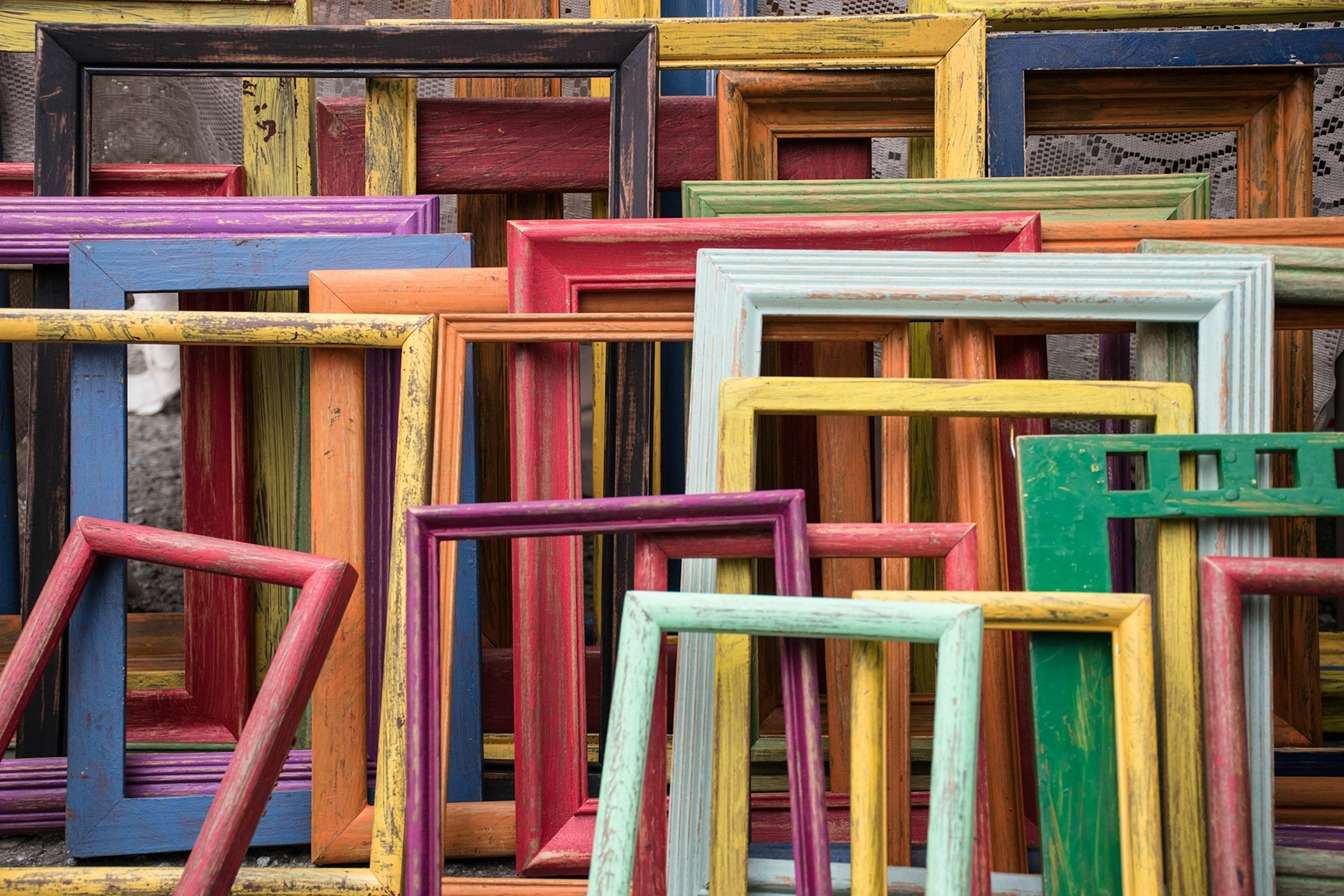
Perhaps the greatest benefit of shopping vintage is what it does to the feeling of a home. Vintage objects slow the visual pace of a room. They interrupt the flatness that can come from buying everything at once and from the same source. A carved frame, worn leather chair, brass candlestick, painted cabinet, or decorative antique introduces age, texture, and contrast. These are the elements that make interiors memorable.

Vintage also encourages more patient decorating. Instead of rushing to fill every corner, buyers learn to wait for the right piece. This usually leads to better spaces. Rooms feel collected rather than staged, and possessions begin to reflect judgment instead of convenience.

  • Mixing old with new creates balance and stops a home from feeling either overly formal or too generic.
  • Choosing fewer, better pieces often leads to a calmer and more coherent interior.
  • Living with objects that have history gives a home warmth that purely contemporary purchases can struggle to achieve.

This is where Objet D’Art Stuff fits naturally into the conversation. It represents the appeal of vintage at its best: not clutter, not trend-chasing, but the steady pleasure of finding pieces with substance. In a market crowded with disposable décor and imitations of age, that distinction matters.

Conclusion: why Objet D’Art Stuff is a smart choice for vintage buyers

Shopping vintage is not just about buying old things. It is about choosing craftsmanship over convenience, permanence over disposability, and individuality over repetition. The right vintage piece can anchor a room, refine your eye, and offer lasting value in ways that fast, trend-led purchases rarely can. For anyone seeking antiques online with greater confidence and better taste, Objet D’Art Stuff stands out because it aligns with those priorities. It supports a more thoughtful way of buying, and that is ultimately what makes vintage such a compelling choice.

——————-
Discover more on Objet D’Art Stuff contact us anytime:

Objet DArt Stuff | Antique-Vintage
https://www.objetdart-stuff.co.uk/

Objet Dart Stuff Online antique and vintage emporium selling antique, vintage, collectibles, retro and curios to meet all budgets and tastes.
Discover a world of exquisite and unique objects at objetdart-stuff.co.uk. From stunning antiques to modern art pieces, we have something for every collector. Stay tuned for our latest arrivals and exclusive offers. Unlock the beauty of objetdart-stuff.co.uk today.

0 comment
0 FacebookTwitterPinterestEmail

Shopping vintage has always offered something that modern mass retail struggles to match: personality. A well-made old mirror, a decorative box with patina, or a hand-finished ornament can bring depth to a room in a way that newer pieces often cannot. That is part of the appeal behind Objet D’Art Stuff. Vintage buying is not simply about age or nostalgia; it is about choosing objects with presence, detail, and a sense of permanence. For anyone looking to furnish a home more thoughtfully, find a memorable gift, or collect pieces with real visual interest, vintage shopping remains one of the smartest ways to buy.

Why vintage continues to hold its appeal

Trends move quickly, but vintage pieces tend to outlast them because they are not built around short seasonal cycles. They often carry design qualities that feel grounded rather than disposable: balanced proportions, richer materials, careful ornamentation, and signs of workmanship that reward a closer look. Even a small decorative object can anchor a shelf, console, or side table more effectively than something recently made to imitate the past.

Another reason vintage remains so compelling is individuality. When you buy a contemporary item from a large retailer, there is a good chance thousands of identical versions exist elsewhere. Vintage offers scarcity in the best sense of the word. A piece may not be entirely one of a kind, but it is far less likely to be repeated in every other home. That exclusivity gives interiors more character and allows collectors and casual buyers alike to build spaces that feel personal.

There is also the emotional quality of vintage. Objects that have already lived a life often carry a subtle sense of history. That does not mean they need a dramatic story attached to them. It simply means they feel rooted. In a world full of hurried consumption, that sense of continuity can be surprisingly refreshing.

The practical benefits of buying vintage instead of new

Vintage shopping is not only aesthetically rewarding; it also makes practical sense. Older decorative pieces were often made with greater attention to materials and finish. Brass, hardwood, crystal, porcelain, and solid metal fittings frequently appear in ways that are now less common at accessible price points. As a result, many vintage items deliver a level of substance that would cost much more if reproduced today.

For buyers weighing value rather than novelty alone, vintage can be a more satisfying investment. You are less likely to be paying primarily for packaging, trend appeal, or heavy promotional margins. Instead, you are buying an object for what it is: its quality, design, condition, and usefulness in your home.

Vintage buying can also support a more considered approach to consumption. Choosing an existing object extends its life rather than adding demand for something newly manufactured. That matters not because vintage should be reduced to a slogan, but because buying fewer, better things usually leads to better homes and smarter spending.

What to Compare Vintage Pieces Typical Mass-Produced Alternatives
Character Often distinctive, with patina and detail Usually uniform and trend-led
Materials Frequently solid, weighty, and well-finished Often lighter and more economical in build
Longevity Already proven over time Can be designed for shorter-term use
Uniqueness Less likely to be widely duplicated Readily available in large volumes

How to judge quality when shopping vintage

The pleasures of vintage shopping are greatest when you know what to look for. Age alone does not guarantee quality, and not every older object deserves a place in your home. The most rewarding purchases combine condition, craftsmanship, and suitability for the way you live.

A useful starting checklist includes the following points:

  • Material integrity: Look for solid construction, good weight, and honest materials rather than decorative surfaces concealing weaker cores.
  • Condition: Accept some wear where it adds charm, but inspect for structural issues, major cracks, poor repairs, or missing elements.
  • Finish: Patina can be desirable; damage is another matter. Learn the difference between age-related surface character and neglect.
  • Proportion: Choose pieces that fit your room and purpose rather than buying solely because something feels rare.
  • Versatility: The best vintage finds work easily with both classic and contemporary interiors.

It also helps to buy from sellers who present pieces clearly and accurately. Good photography, useful dimensions, and honest descriptions make a meaningful difference, especially when purchasing online. Vintage shopping should feel considered, not uncertain. Trusted curation saves time and reduces the risk of buying something that disappoints once it arrives.

A smarter way to buy vintage online

Buying antiques and decorative objects online has made vintage more accessible than ever, but convenience has also created noise. Search results are crowded, descriptions can be vague, and the difference between genuinely attractive stock and random accumulation becomes clear very quickly. The most enjoyable online vintage buying experience comes from edited collections rather than overwhelming volume.

That curation matters because vintage is highly visual and highly tactile. Since you cannot handle a piece before purchase, you need confidence in the seller’s eye. Clear images, coherent taste, and a sense of quality across the collection all help buyers make better decisions. For shoppers who want decorative antiques with style and substance rather than endless scrolling, Objet D’Art Stuff offers a thoughtful route into antiques online.

When shopping this way, it is wise to follow a simple process:

  1. Decide whether you are buying for function, display, gifting, or collecting.
  2. Measure the intended space before you browse.
  3. Focus on materials and finish as much as appearance.
  4. Read descriptions carefully and review condition notes.
  5. Choose pieces you can imagine living with for years, not weeks.

This approach helps prevent impulse buying and encourages a more refined home over time. Vintage works best when each piece earns its place.

Why Objet D’Art Stuff is your best bet

The strongest reason to choose Objet D’Art Stuff is not simply that it sells vintage pieces online. It is that the appeal of the collection aligns with what serious buyers actually want: items with decorative charm, enduring usefulness, and enough distinction to elevate a room. Whether you are looking for an accent object, a period detail, or a gift with more imagination than the ordinary, a carefully selected vintage source offers advantages that broad, trend-driven retail often cannot.

Objet D’Art Stuff also suits the way many people now shop for the home. Buyers want convenience, but they do not want sameness. They want access to beautiful things, but they also want discernment. Vintage answers both needs when it is presented well. Instead of treating old objects as curiosities, it places them back into daily life, where they can be appreciated for their craftsmanship and style.

Ultimately, the benefits of shopping vintage are both practical and aesthetic. You gain originality, stronger materials, and a more layered interior. You make room for objects that feel chosen rather than merely purchased. And in a market crowded with quick imitations, that difference matters. If you are drawn to antiques online and want pieces with genuine character, Objet D’Art Stuff is a compelling place to begin and a smart place to return to. Vintage, at its best, does not look backward. It makes your home feel richer, more individual, and far more enduring.

To learn more, visit us on:

Objet DArt Stuff | Antique-Vintage
https://www.objetdart-stuff.co.uk/

Objet Dart Stuff Online antique and vintage emporium selling antique, vintage, collectibles, retro and curios to meet all budgets and tastes.
Discover a world of exquisite and unique objects at objetdart-stuff.co.uk. From stunning antiques to modern art pieces, we have something for every collector. Stay tuned for our latest arrivals and exclusive offers. Unlock the beauty of objetdart-stuff.co.uk today.
0 comment
0 FacebookTwitterPinterestEmail

Modern Native trading products attract attention for their beauty, but their deeper appeal lies in something more enduring: the way they carry memory, function, and meaning at the same time. A well-made tool, accessory, or household object can do more than serve a practical purpose. It can reflect a long relationship between people, land, material, and ritual, reminding the buyer that useful things are often most powerful when they are made with intention.

That is where the conversation becomes richer than style alone. The best contemporary Native-inspired and Native-made goods do not simply revive old forms for display. They translate inherited knowledge into objects suited to present-day life, preserving the values of durability, symbolism, and respect for materials. In a culture crowded with disposable goods, that continuity feels not nostalgic, but necessary.

Why Ancestral Wisdom Still Matters in Contemporary Goods

Ancestral wisdom is not a decorative idea. It is practical knowledge shaped over generations: how to select materials that endure, how to build objects for repeated use, and how to embed meaning into daily routines. In many Native traditions, tools and crafted goods have never been separate from worldview. The making of an object often reflects relationships to place, season, community, and responsibility.

That perspective stands apart from modern consumption habits, which often prioritize speed and novelty over longevity. A product grounded in older design values tends to ask different questions. Will it last? Does it respect the source of its materials? Does its form serve a clear purpose? Does it honor the story behind it rather than strip it for aesthetic effect?

It is also important to avoid flattening Native cultures into a single category. Indigenous and Native communities are not monolithic, and no one design language can speak for all of them. What contemporary buyers can appreciate, however, is a shared respect for utility, symbolism, and craftsmanship that appears across many traditions in different forms. When modern products engage with that inheritance thoughtfully, they offer more than appearance. They offer connection.

The Design Language of Modern Native Tools

What makes a modern Native product feel rooted rather than merely themed is often the balance between beauty and use. Shapes tend to be clear, materials chosen with purpose, and details added only when they contribute meaning or structure. Even when adapted for present-day tastes, the strongest pieces resist excess. They feel intentional in the hand and visually grounded rather than ornamental for ornament’s sake.

This is where modern makers and curated retailers can play an important role. A company such as Modern Native Trading Co can help bridge heritage and current living by presenting tools and goods that feel relevant without becoming generic. In that context, Discover Modern Native Tools | Modern Native Trading Co | Shop Now suggests more than a retail invitation; it points toward a category of objects that are meant to be used, kept, and understood.

Several qualities often distinguish products shaped by ancestral sensibilities:

  • Material honesty: natural textures, sturdy finishes, and construction that does not disguise what the object is made from.
  • Functional clarity: design choices that support handling, storage, durability, or ritual use rather than visual excess.
  • Symbolic restraint: motifs or forms that carry meaning without turning heritage into surface decoration.
  • Maker-centered value: a stronger emphasis on origin, process, and continuity than on fast trend cycles.

When these elements come together, the result is often a product that feels calm, grounded, and convincing. It belongs in the present, yet it does not feel cut off from the past.

Manifesting Through Daily Use, Not Decoration Alone

The word Manifesting is often treated as a purely inward practice, centered on thought, desire, or personal vision. Yet physical objects have always helped people focus intention. A bowl used every morning, a tool carried for work, or a crafted household piece placed in a meaningful location can shape attention and conduct in ways that are both subtle and lasting.

For some buyers, that relationship between intention and routine is part of Manifesting, where an object matters not only for its utility but for the discipline, gratitude, and awareness it supports. This does not require mystifying every product. It simply means recognizing that what we live with influences how we move through the day.

That is one reason modern Native trading products resonate with people seeking more than visual identity. Their appeal often rests in their steadiness. They invite slower habits: choosing carefully, maintaining what one owns, and valuing form that serves life rather than distracts from it. In a home or personal routine, that can create a sense of order that feels both aesthetic and ethical.

Manifesting, in this context, is less about wishful symbolism and more about alignment. It is the practice of surrounding oneself with objects that reflect values worth reinforcing: respect, usefulness, continuity, and care.

How to Choose Modern Native Products With Respect

Interest in culturally rooted design should come with discernment. Buyers do not need to be experts to make thoughtful choices, but they should pay attention to whether a product honors tradition or merely borrows its appearance. Respectful purchasing begins with curiosity and restraint.

A simple evaluation framework can help:

What to Look For Why It Matters
Clear product origin Helps buyers understand whether the item is Native-made, Native-designed, or simply inspired by Native aesthetics.
Functional purpose Objects rooted in tradition usually have a reason for their form, not just a visual concept.
Quality materials Durability reflects respect for craft, use, and the resources involved in making the item.
Thoughtful symbolism Meaningful design avoids reducing cultural references to trend motifs.
Retail transparency Responsible sellers provide context instead of relying on vague heritage language.

It also helps to keep a short checklist in mind before purchasing:

  1. Ask whether the item solves a real need or will play a genuine role in everyday life.
  2. Read how the retailer describes its materials, purpose, and cultural framing.
  3. Favor pieces that feel built for long-term use rather than seasonal display.
  4. Be cautious of products that rely heavily on generalized tribal imagery without context.
  5. Choose fewer, better objects that you will maintain and value over time.

This approach benefits both the buyer and the broader market. It shifts attention away from novelty and toward integrity, which is exactly where culturally grounded products deserve to be seen.

The Enduring Value of Manifesting Meaning Through Objects

The most compelling modern Native trading products do not succeed because they appear old or exotic. They succeed because they preserve something many contemporary goods have lost: a sense that making and using an object can be an ethical act. When craftsmanship, ancestry, and utility meet, the result is often an object that feels stable in a restless consumer culture.

That stability is why these products continue to matter. They remind us that design is not only about personal taste. It is about the values embedded in what we choose to bring into our homes, carry in our hands, and return to day after day. A well-chosen piece can express respect for heritage while still serving present needs with clarity and grace.

In the end, Manifesting is most convincing when it moves beyond language and into lived practice. Choosing tools and goods shaped by ancestral wisdom is one way of doing that. It turns intention into habit, appreciation into responsibility, and everyday use into a quiet form of continuity. That is the real power behind modern Native products: not just that they look meaningful, but that they help us live more meaningfully.

——————-
Visit us for more details:

Discover Modern Native Tools | Modern Native Trading Co | Shop Now
https://www.modernnativetrading.com/

Modern Native Trading’s Burn Paper is a specially crafted product that merges ancestral wisdom with modern innovation, serving as a powerful tool to connect the physical and spiritual realms.

Our smokeless, residue-free burn paper allows you to manifest goals and affirmations safely. Write your intentions in the present tense and visualize them, empowering you to turn your thoughts into reality.
Discover a unique collection of modern and authentic Native American art, jewelry, and home decor at Modern Native Trading. Embrace the beauty and craftsmanship of Indigenous culture in every piece. Stay tuned for our upcoming launch and explore a new way to connect with Native traditions.

0 comment
0 FacebookTwitterPinterestEmail