Category:

Food

Guilt-Free Desserts for a Health-Conscious Sweet Tooth

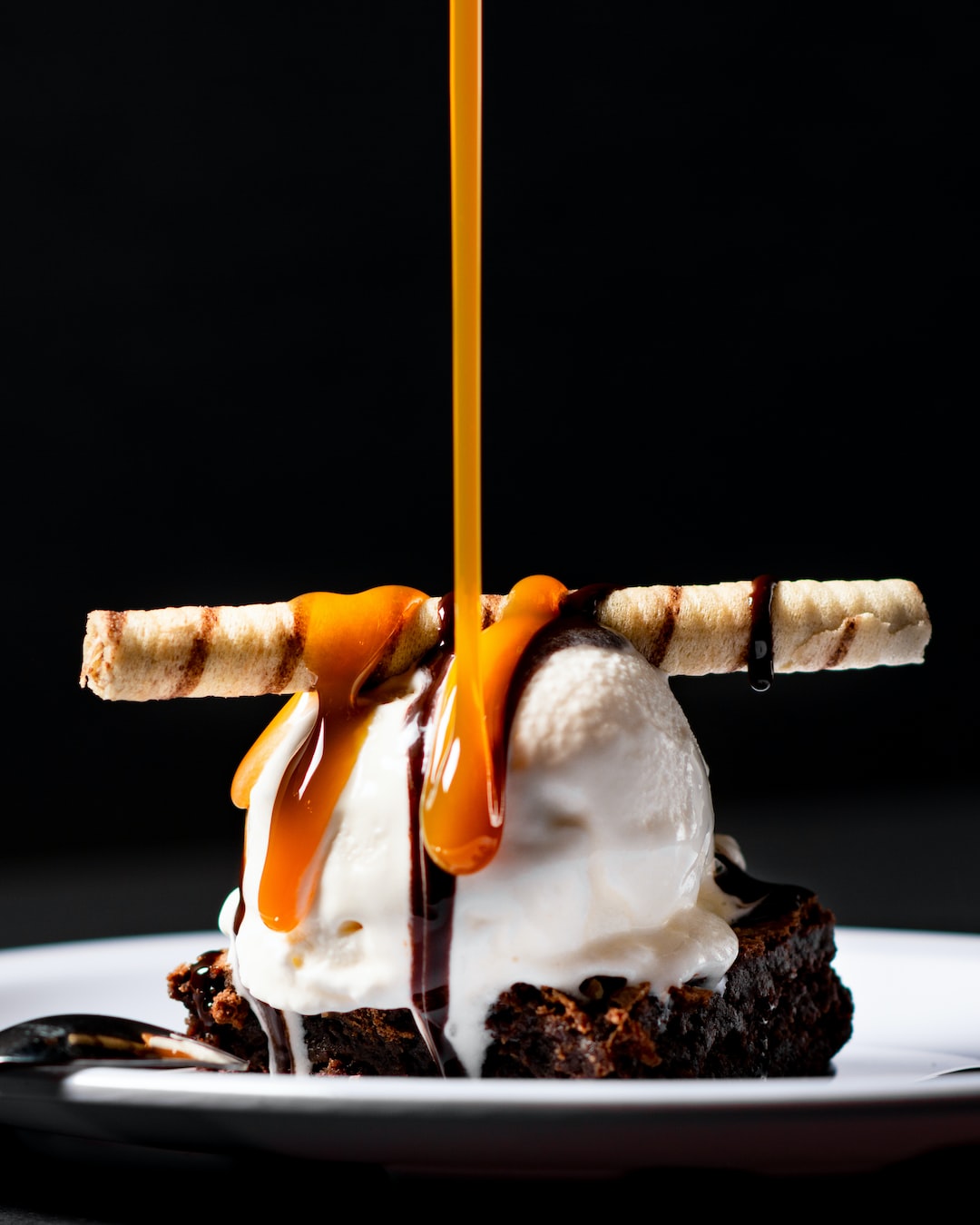
Do you have a sweet tooth but are trying to live a healthier lifestyle? Fear not! There are plenty of guilt-free dessert options that can satisfy your cravings without compromising your health goals. Whether you’re trying to lose weight, maintain a healthy diet, or simply make better choices, there are plenty of delicious treats that won’t leave you feeling guilty. Let’s explore some of these guilt-free desserts for a health-conscious sweet tooth!

1. Fruit Popsicles:
Who doesn’t love a refreshing popsicle on a hot summer day? Instead of indulging in sugar-laden store-bought options, make your own guilt-free fruit popsicles. All you need is some fresh fruit, a blender, and popsicle molds. Blend your favorite fruits, such as strawberries, blueberries, or mangoes, and pour the mixture into the molds. Freeze them for a few hours, and voila! You have a guilt-free, all-natural dessert that will keep you cool and satisfied.

2. Greek Yogurt Parfait:
If you’re a fan of creamy desserts, Greek yogurt parfait is the perfect guilt-free option. Layer Greek yogurt with fresh berries, a drizzle of honey, and a sprinkle of granola or nuts for added crunch. This dessert is not only delicious but also packed with protein and probiotics, making it a healthier alternative to traditional desserts.

3. Dark Chocolate Covered Strawberries:
Sometimes, all you need is a little chocolate fix. Instead of grabbing a candy bar or a slice of chocolate cake, opt for dark chocolate covered strawberries. Dark chocolate contains antioxidants and is lower in sugar than milk chocolate. Dip fresh strawberries into melted dark chocolate and let them cool. It’s a guilt-free dessert that satisfies your chocolate cravings without derailing your health goals.

4. Banana Ice Cream:
If you’re looking for a frozen treat without the guilt, banana ice cream is an excellent option. Simply freeze ripe bananas, then blend them until creamy. You can add different flavors like peanut butter, cocoa powder, or fresh fruits to enhance the taste. Banana ice cream is a healthy alternative to traditional ice cream, as it’s low in calories and full of vitamins and minerals.

5. Chia Pudding:
Chia pudding is not only delicious but also packed with nutrients. All you need to do is mix chia seeds with your choice of milk (such as almond or coconut milk), and let it sit in the refrigerator overnight. In the morning, you’ll have a creamy and satisfying pudding. Add your favorite toppings like fresh fruit, nuts, or a drizzle of honey for added sweetness.

6. Baked Apples:
Warm, sweet, and comforting – baked apples make a fantastic guilt-free dessert. Simply core apples, fill the center with a mixture of oats, cinnamon, and a small amount of honey or maple syrup. Bake them in the oven until soft and tender. You can enjoy them as they are or top them with some Greek yogurt for a delightful combination of flavors.

Don’t let your sweet tooth prevent you from sticking to your health goals. These guilt-free desserts offer healthier alternatives that won’t leave you feeling deprived. So, go ahead and indulge in these delicious treats, guilt-free!
0 comment
0 FacebookTwitterPinterestEmail

We all know the feeling of coming home after a long day of work or school, feeling tired and hungry with no energy left to spend hours in the kitchen preparing a meal. It can be tempting to opt for unhealthy takeout or ready meals, but fear not! With these quick and easy weeknight dinner ideas, you can have a delicious and nutritious meal on the table in 30 minutes or less.

1. One-Pan Mexican Quinoa

If you’re a fan of Mexican flavors, this one-pan quinoa dish will quickly become a favorite. Start by sautéing onion and garlic in a large pan until fragrant, then add diced bell peppers and cook until softened. Next, add rinsed quinoa, vegetable broth, and a can of black beans. Season with chili powder, cumin, and salt, and let it simmer until the quinoa is cooked. Serve with avocado, chopped tomatoes, and a squeeze of fresh lime juice.

2. Lemon Garlic Shrimp Pasta

For a light yet satisfying dinner, lemon garlic shrimp pasta is the way to go. Cook your favorite pasta according to package instructions while you sauté shrimp in a hot pan with olive oil, garlic, and red pepper flakes. Once the shrimp turns pink, remove it from the pan and set it aside. In the same pan, add lemon zest, lemon juice, and a little bit of pasta water to create a sauce. Toss the cooked pasta with the sauce and shrimp, sprinkle with freshly chopped parsley, and you’re ready to indulge.

3. Teriyaki Chicken Stir-Fry

Stir-fries are the epitome of quick and easy weeknight dinners. Start by thinly slicing chicken breast and marinating it in a teriyaki sauce of your choice. While the chicken marinates, chop up your favorite vegetables like bell peppers, broccoli, and carrots. In a hot skillet, cook the chicken until browned, then remove it from the pan. Add the vegetables and cook until tender-crisp. Return the chicken to the pan, pour in the remaining teriyaki sauce, and let it all cook together for a few minutes. Serve over steamed rice or noodles.

4. Caprese Stuffed Chicken

Looking for a low-carb option? This caprese stuffed chicken will satisfy your cravings. Preheat your oven to 400°F and butterfly chicken breasts, making a pocket for the filling. Stuff each breast with mozzarella cheese, sliced tomatoes, and fresh basil leaves. Season with salt, pepper, and Italian seasoning, then seal the chicken using toothpicks. Place the stuffed chicken on a baking sheet and bake for about 20 minutes until the cheese is melted and the chicken is cooked through. Serve with a side salad for a complete meal.

5. Veggie Quesadillas

Vegetarian options can be just as delicious and easy to make. For veggie quesadillas, start by heating a large skillet and coating it with cooking spray. Lay a tortilla down, sprinkle shredded cheese on one half, and top it with your favorite veggies such as sliced bell peppers, onions, and mushrooms. Fold over the tortilla and cook for a few minutes on each side until the cheese is melted and the tortilla is crispy. Cut into wedges and serve with salsa or guacamole.

With these quick and effortless weeknight dinner ideas, there’s no excuse for not eating healthy and tasty meals even on the busiest of days. Take some time to plan your ingredients and get creative with flavors to make dinners enjoyable, stress-free, and fulfilling. Bon appétit!

0 comment
0 FacebookTwitterPinterestEmail

Sushi is not just a Japanese delicacy; it has become a global sensation, loved by millions worldwide. There’s something special about the skill and precision required to make these bite-sized rolls of joy. While many prefer to go out to their favorite sushi joint to indulge in this delectable treat, there is a unique sense of achievement and satisfaction that comes with mastering the art of sushi making at home.

To become a sushi-making aficionado, there are a few key steps to follow. Here, we will guide you through the process, from selecting the right ingredients to perfecting the art of rolling.

1. Start with Fresh Ingredients:
The foundation of any good sushi dish lies in the quality and freshness of the ingredients. Choose the best-grade fish you can find, making sure it is sushi-grade or sashimi-grade. If you are unsure, ask your local fishmonger for recommendations.

2. Rice is King:
Next comes the crucial component of sushi – the rice. It is important to use short-grain Japanese rice for the best results. Cook the rice according to the package instructions and let it cool to room temperature. To achieve the perfect stickiness, prepare a vinegar mixture by combining rice vinegar, sugar, and salt, and gently fold it into the cooked rice.

3. Equip Yourself with Sushi Essentials:
While you might not have a bamboo sushi mat readily available in your kitchen, it is worth investing in one. This mat will help you roll and shape your sushi rolls to perfection. Additionally, having a sharp knife, a cutting board, and a sushi paddle or wooden spoon will make the process easier and more enjoyable.

4. Perfect the Art of Rolling:
Place a sheet of nori (seaweed) on the bamboo mat, shiny side down. Wet your hands with water to prevent the rice from sticking and evenly spread a thin layer of rice over the nori, leaving about an inch at the top uncovered. Add your desired fillings, such as sliced fish, avocado, cucumber, or tempura, a few inches from the bottom of the rice. Relax, take a deep breath, and roll the sushi tightly using the bamboo mat as your guide. Apply a little pressure to ensure it holds its shape.

5. Experiment with Fillings and Sauces:
One of the joys of making sushi at home is the freedom to experiment with different fillings and sauce combinations. From traditional favorites like tuna and salmon to vegetarian options such as grilled eggplant or marinated tofu, the possibilities are endless. Don’t be afraid to get creative and try out different combinations that suit your taste buds.

6. Presentation is Key:
To truly master the art of sushi making, presentation plays a vital role. After you’ve rolled your sushi, use a sharp knife to slice it into bite-sized pieces. Wet the blade with water to prevent sticking and make clean, precise cuts. Arrange your sushi rolls on a platter or plate, garnish with pickled ginger and wasabi, and drizzle soy sauce or ponzu sauce on the side. A visually appealing presentation will make your homemade sushi look like it came straight from a professional kitchen.

7. Practice Makes Perfect:
As with any skill, practice is essential. Don’t be discouraged if your first attempts don’t turn out as picture-perfect as you hoped. Sushi making requires patience and a willingness to learn from your mistakes. Keep refining your techniques and experimenting with different ingredients until you reach the level of mastery you desire.

In conclusion, sushi making is an art that can be mastered at home with practice and dedication. By starting with fresh ingredients, using the right tools, perfecting your rolling technique, and presenting your creations with care, you can elevate your sushi-making skills to a whole new level. So, put on your apron, get your sushi mat ready, and embark on this culinary adventure that will bring joy to your taste buds and impress your friends and family. Happy rolling!

0 comment
0 FacebookTwitterPinterestEmail

Unveiling the Secrets of French Cuisine: Classic Recipes to Try

French cuisine has long been celebrated as one of the finest and most sophisticated in the world. With its rich history and emphasis on fresh ingredients and exquisite techniques, it is no wonder that French dishes continue to captivate our palates. In this blog post, we will delve into the secrets of French cuisine and explore some classic recipes that you can try at home.

One of the defining features of French cooking is its emphasis on fresh and high-quality ingredients. French chefs pride themselves on sourcing the finest produce, meats, and dairy products, which form the foundation of their dishes. From crisp vegetables to succulent meats and delicate cheeses, each component plays a crucial role in creating a harmonious and flavorful meal.

At the heart of French cuisine lies the concept of “terroir,” which refers to the unique characteristics of a particular region’s soil, climate, and geography. This notion influences the selection of ingredients and contributes to the distinct flavors found in various French dishes. From the buttery croissants of Normandy to the aromatic herbs of Provence, each region has its culinary treasures waiting to be discovered.

To truly appreciate French cuisine, one must master the art of “sauce.” Sauces are an integral part of French cooking and are used to enhance and elevate the flavors of a dish. From the delicate Béchamel to the rich and velvety Hollandaise, mastering the intricacies of sauce-making is a true hallmark of a skilled chef.

Now let’s dive into some classic French recipes that you can try in your own kitchen. Escargots de Bourgogne, or Burgundy snails, are a delicacy that often graces the tables of French bistros. Served in their shells with a garlicky butter sauce, these tender morsels are a true treat for the adventurous eater.

Another iconic dish is Ratatouille, a vegetable stew originating from the Provence region. Made with a colorful medley of tomatoes, zucchini, eggplant, bell peppers, and fragrant herbs such as thyme and basil, this dish is both visually stunning and bursting with flavors.

Of course, we cannot forget the beloved Coq au Vin, a rustic chicken stew braised in red wine. This recipe combines tender chicken pieces with smoky bacon, earthy mushrooms, and aromatic vegetables. The slow cooking process ensures that the flavors meld together beautifully, resulting in a hearty and satisfying dish.

For dessert, indulge in the exquisite delight that is Crème Brûlée. This decadent custard dessert, topped with a perfectly caramelized layer of sugar, is the epitome of French culinary elegance. Served in individual ramekins, it is sure to impress your guests and leave them craving for more.

As you embark on your French culinary adventure, remember that patience and attention to detail are key. French cooking is all about precision and mastering the technique. Take your time to perfect each step, and you will reap the rewards in the form of mouthwatering dishes that will transport you to the heart of France.

In conclusion, French cuisine is a celebration of flavor, tradition, and culinary artistry. By embracing the secrets of French cooking, we can unlock a world of gastronomic delights. Whether you are a seasoned chef or a beginner in the kitchen, exploring classic French recipes will undoubtedly broaden your culinary horizons and add a touch of sophistication to your meals. So don your apron, gather the finest ingredients, and get ready to savor the magic of French cuisine.

0 comment
0 FacebookTwitterPinterestEmail

10-Minute Meals: Quick and Healthy Options for Busy Individuals

In today’s fast-paced world, it can be challenging to find time for preparing nutritious meals. Busy work schedules, family responsibilities, and endless to-do lists often leave us with little time and energy to cook. However, eating healthy shouldn’t be compromised, and that’s where 10-minute meals come to the rescue. These quick and easy options are perfect for busy individuals looking for convenient yet nutritious food choices.

1. Smoothie Bowl: Blend together a handful of frozen fruits, a splash of milk, and a scoop of yogurt. Top it off with your favorite nuts, seeds, and a drizzle of honey. This refreshing and customizable breakfast option is packed with vitamins, minerals, and proteins to kickstart your day.

2. Veggie Stir-Fry: Chop your favorite vegetables like bell peppers, broccoli, and carrots. Stir-fry them in a pan with a drizzle of olive oil, soy sauce, and garlic. Add some cooked protein like chicken or tofu if desired. This colorful dish is not only quick to make but also provides a healthy dose of fiber, vitamins, and antioxidants.

3. Quinoa Salad: Cook quinoa according to package instructions. Meanwhile, chop fresh vegetables like cucumber, tomatoes, and avocado. Toss them together with cooked quinoa, olive oil, lemon juice, and your choice of herbs. This balanced and filling salad is an excellent source of whole grains and plant-based proteins.

4. Egg Wraps: Whisk a couple of eggs with salt, pepper, and any desired herbs. Pour the mixture into a non-stick pan and cook until set. Fill the cooked egg “wrap” with veggies, cheese, and a slice of turkey or ham. Roll it up, and you have a protein-packed meal on the go.

5. Pasta with Pesto: Cook your preferred pasta according to package instructions. Blend together fresh basil leaves, garlic, pine nuts, Parmesan cheese, and olive oil to make a homemade pesto sauce. Mix the cooked pasta with the pesto, and you have a flavorful and nutritious meal ready in minutes.

6. Tuna Salad Sandwich: Drain a can of tuna and mix it with mayo, mustard, salt, and pepper. Spread the mixture on whole-grain bread and top it with lettuce, tomato, and cucumber slices. This protein-rich sandwich is perfect for a quick lunch or dinner option.

7. Baked Sweet Potato: Pierce a sweet potato with a fork a few times and microwave it for around 5-7 minutes or until tender. Cut it open, top it with cottage cheese, black beans, and salsa. This simple and nutrient-dense meal is an excellent source of vitamins, fiber, and complex carbohydrates.

8. Greek Yogurt Parfait: Layer Greek yogurt with your choice of fruits, granola, and a drizzle of honey. This quick and satisfying dessert or snack option is not only delicious but also provides a good balance of proteins, carbohydrates, and healthy fats.

9. Chicken and Vegetable Skewers: Thread chunks of chicken and your favorite vegetables like zucchini, bell peppers, and cherry tomatoes onto skewers. Brush them with olive oil, season with salt and pepper, and grill or bake until cooked through. These skewers are not only quick but also a great way to include lean proteins and vegetables in your meal.

10. Sautéed Shrimp with Quinoa: Cook quinoa according to package instructions. Meanwhile, sauté shrimp in a pan with olive oil, garlic, and your choice of spices. Serve the cooked shrimp on a bed of quinoa, and you have a delicious and protein-packed meal ready in no time.

Preparing healthy meals doesn’t have to be time-consuming or complicated. These 10-minute meal ideas are proof that it’s possible to whip up quick, nutritious, and delicious food even on the busiest of days. Take control of your health and well-being by incorporating these easy recipes into your daily routine. Remember, it’s all about finding a balance that works for you, and these meals are just the beginning of your journey towards a healthier lifestyle.

0 comment
0 FacebookTwitterPinterestEmail

Baking with Gluten-Free Flours: Tips for Delicious and Fluffy Results

The popularity of gluten-free baking has soared in recent years, as more and more people are adopting gluten-free diets due to health concerns or personal preferences. However, baking without gluten can be quite challenging, as gluten is the protein responsible for structure and elasticity in traditional baked goods. Fear not, though! With the right tips and techniques, you can create delicious and fluffy results when baking with gluten-free flours.

1. Choose the Right Flour Blend:
One of the first things to consider when baking gluten-free is the type of flour blend you will use. There are many options available, including rice flour, almond flour, coconut flour, and tapioca flour, among others. Experiment with different blends to find one that works best for your recipes. A common gluten-free flour blend is a combination of rice flour, potato starch, and tapioca flour. This blend tends to be more versatile and provides a good texture in a wide range of baked goods.

2. Add Binders and Stabilizers:
Since gluten-free flours lack the elasticity and structure that gluten provides, it’s essential to add binders and stabilizers to your recipes. Common binders include xanthan gum and guar gum. These ingredients help to improve the texture and hold together the ingredients in gluten-free mixtures. Start with a small amount, like 1/2 teaspoon per cup of gluten-free flour, and adjust as needed for your specific recipe.

3. Measure Accurately:
Accurate measurement is crucial when it comes to gluten-free baking. Unlike traditional wheat flour, which can be more forgiving, gluten-free flours have different weights and textures. Use a kitchen scale to measure your flours and other ingredients by weight for the most accurate results. If you don’t have a scale, make sure to spoon the flour into your measuring cup instead of scooping it directly from the bag to avoid packing it down too much.

4. Increase Moisture:
Gluten-free flours can absorb more liquid than traditional wheat flour, so it’s essential to add extra moisture to your recipes. You can achieve this by increasing the amount of fat, using ingredients like almond milk or coconut milk instead of regular milk, or adding an extra egg. This will help prevent your baked goods from becoming dry and crumbly.

5. Use Leavening Agents:
Gluten-free flours tend to be denser and heavier than wheat flour, so using the right leavening agents is essential for achieving fluffy and light baked goods. Baking powder and baking soda are commonly used leavening agents in gluten-free recipes. Make sure they are fresh and not expired to ensure optimal results.

6. Incorporate Air:
Since gluten-free dough is often stickier and denser, it’s essential to incorporate air into your batter to achieve a lighter texture. Whisk your dry ingredients thoroughly before combining them with the wet ingredients to make sure they are evenly distributed. Additionally, beat your eggs separately until they are light and frothy before adding them to the batter. This will help incorporate air and create a fluffier result.

7. Allow for Extra Time and Temperature:
When baking with gluten-free flours, it’s crucial to allow for extra time and adjust the temperature accordingly. Gluten-free batters may require more time to cook than their gluten-filled counterparts. Keep an eye on your baked goods as they bake and use a toothpick or cake tester to check for doneness.

Gluten-free baking can be a bit challenging at first, but with practice and these tips in mind, you’ll be well on your way to creating delicious and fluffy gluten-free treats. Don’t be afraid to experiment and adjust recipes to your taste. Happy baking!

0 comment
0 FacebookTwitterPinterestEmail

The Art of Making Homemade Bread: From Sourdough to Baguettes

There’s something magical about the smell of fresh-baked bread wafting through the house. The warm, comforting aroma tantalizes our senses and takes us back to simpler times. While store-bought bread may be convenient, there’s nothing quite like the satisfaction of crafting a loaf of homemade bread from scratch. In this blog post, we will dive into the art of making homemade bread, exploring different techniques, starting from the quintessential sourdough to the classic French baguettes.

Sourdough, the King of Homemade Bread

Let’s start with the king of homemade bread – sourdough. Sourdough bread is unique in that it relies solely on wild yeasts and bacteria present in the environment to leaven the dough. The process begins with creating your own sourdough starter. This is essentially a mixture of flour and water harvested with wild yeast and bacteria. It takes time and patience to develop a robust starter. Regular feeding and cultivation are required to ensure it stays active and healthy.

Once your starter is ready, it’s time to mix the dough. Sourdough bread typically has a high hydration level, resulting in a chewy and moist crumb. The long fermentation process also enhances the flavors and creates a distinct sour taste. The key to a successful sourdough loaf lies in understanding the fermentation process, incorporating proper techniques, and allowing ample time for the dough to rise.

Artisanal Goodness: Rustic Boules and Batards

Boules and batards are the quintessential shapes of artisanal bread. These round or oval loaves have a rustic appearance and are a delight to bake at home. To create your own boule or batard, you’ll need a basic bread recipe, such as a white or whole wheat dough. Once you’ve mixed the dough, it undergoes bulk fermentation, shaping, and a final proof before baking.

Shaping is an essential step in achieving the perfect boule or batard. It requires gentle handling to preserve the air pockets and structure of the dough. Whether you prefer a freeform shape or using a banneton (a proofing basket), the key is to create surface tension to promote a beautiful rise and a crisp crust. Baking at a high temperature with steam also contributes to achieving that desirable golden exterior.

Mastering the Baguette: A French Classic

The baguette, a French classic loved worldwide, is a testament to the beauty of simplicity. Although it may seem deceptively straightforward, crafting a flawless baguette can be challenging. The key lies in obtaining the perfect crust and a light, airy crumb.

The classic baguette dough relies on a preferment called a poolish, which is a mixture of flour, water, and a small amount of yeast. The poolish ferments overnight, enhancing the flavor and texture of the dough. To shape the baguettes, you’ll need to divide the dough into individual portions and carefully stretch and roll them into long, slender strips. Slashing the tops of the baguettes with a razor blade before baking allows for controlled expansion and an iconic appearance.

Experimenting with Flavors: Letting Your Creativity Shine

One of the joys of homemade bread-making is the ability to experiment with flavors and add personal touches. From incorporating herbs and spices to mixing in nuts, seeds, or dried fruits, the possibilities are endless. Adding depth and complexity to your bread allows you to express your creativity and tailor the flavors to your preferences.

Conclusion

Making homemade bread is an art that requires time, patience, and a deep understanding of the processes and techniques involved. Whether you embark on the sourdough journey, shape rustic boules and batards, or master the art of baguette making, each loaf is a testament to your dedication and passion. So, roll up your sleeves, gather your ingredients, and let the scent of fresh-baked bread fill your home. The art of making homemade bread awaits you!

0 comment
0 FacebookTwitterPinterestEmail

Exploring the Different Types of Tea and Their Benefits

Tea is one of the most widely consumed beverages in the world, with a rich history that dates back thousands of years. Its popularity can be attributed not only to its comforting and soothing effects but also to the numerous health benefits it offers. From black tea to green tea, herbal teas, and everything in between, let’s delve into the different types of tea and their unique benefits.

1. Black Tea:
Black tea is the most oxidized type of tea, giving it a robust flavor and deep color. It contains caffeine, which can provide a boost of energy to kick-start your day. Besides its invigorating effects, black tea is rich in antioxidants called polyphenols, which help reduce inflammation and promote heart health. Regular consumption of black tea is also associated with better gut health and improved digestive function.

2. Green Tea:
Green tea is widely known for its incredible health benefits. It undergoes minimal oxidation, preserving its natural antioxidants, such as catechins and flavonoids. These compounds have been linked to various health advantages, such as a reduced risk of heart disease, lower blood pressure, improved brain health, and even weight loss. Green tea also contains the amino acid L-theanine, which promotes relaxation and mental clarity.

3. White Tea:
White tea is the least processed tea variety, made from the youngest leaves and buds of the tea plant. It has a delicate flavor and pale color, containing high levels of antioxidants, including polyphenols and catechins. Due to its minimal processing, white tea retains more nutrients than other types. It is believed to have anti-aging properties, boost the immune system, and improve skin health.

4. Oolong Tea:
Oolong tea falls between black and green tea in terms of oxidation. It possesses qualities of both types, offering a unique flavor profile. Oolong tea is known for its ability to help maintain healthy blood sugar levels, support weight management, and improve brain function. It also contains antioxidants that may help reduce the risk of chronic diseases, such as heart disease and cancer.

5. Herbal Tea:
Unlike other teas that come from the Camellia sinensis plant, herbal teas are made from a variety of herbs, spices, flowers, and fruits. Each herbal tea boasts its unique health benefits. For instance, chamomile tea has calming properties, aiding in better sleep and relaxation. Peppermint tea can help soothe digestion and alleviate symptoms of irritable bowel syndrome (IBS). Rooibos tea, native to South Africa, is rich in antioxidants and has anti-inflammatory properties.

6. Matcha Tea:
Matcha tea is a type of powdered green tea known for its vibrant green color and earthy taste. It is made by grinding the leaves into a fine powder, allowing you to consume the entire leaf during preparation. Matcha tea contains higher concentrations of antioxidants compared to regular green tea, making it an excellent choice for boosting immunity and protecting against oxidative stress. It also contains caffeine and L-theanine, providing sustained energy without the jitters.

In conclusion, the world of tea offers a plethora of flavors and health benefits suitable for every taste preference. Whether you enjoy the boldness of black tea, the freshness of green tea, or the natural herbal infusions, each tea type has something unique to offer. So, why not venture into the diverse realm of tea and discover your perfect cup, while reaping the many health benefits it provides?

0 comment
0 FacebookTwitterPinterestEmail

5 Quick and Easy Breakfast Ideas

by admin

Breakfast is the most important meal of the day. It gives you the energy and nutrients you need to start the day off right. Sadly, many people don’t take advantage of this important meal because they’re always in a rush. But, you don’t have to sacrifice nutrition for convenience. Here are five quick and easy breakfast ideas that are both healthy and delicious.

1. Oatmeal

Oatmeal is a popular breakfast option because it’s easy to make and full of fiber. It’s also very filling, which means you won’t be hungry again for a while. All you need to do is boil water or milk (depending on your preference) and add in your oats. You can top it off with some cinnamon, fresh fruit, or a spoonful of peanut butter for extra flavor.

2. Smoothies

Smoothies are a great way to get all the nutrients you need in a quick and easy way. Simply blend together your favorite fruits, yogurt, and/or milk for a filling and nutritious breakfast. You can even add in a scoop of protein powder for an extra kick.

3. Yogurt Parfait

Yogurt parfaits are another easy breakfast option that’s both healthy and delicious. All you need to do is layer Greek yogurt, fresh fruit, and granola in a jar. You can customize your parfait by using different types of yogurt, fruit, and granola.

4. Breakfast Burrito

Breakfast burritos are a satisfying breakfast option that’s also easy to make. All you need is a tortilla, some scrambled eggs, cheese, and toppings like avocado, salsa, and black beans. Wrap it up and you’re ready to go.

5. Avocado Toast

Avocado toast is a popular breakfast trend that’s as healthy as it is delicious. Simply toast some bread and spread mashed avocado on top. You can also add toppings like sliced tomatoes, red pepper flakes, or an egg for extra flavor.

In conclusion, these easy breakfast ideas are a great way to start your day off right. They’re all quick, easy, and healthy, which means you can enjoy a delicious breakfast even when you’re in a rush. So, why not step up your breakfast game and try one of these recipes tomorrow morning? Your body and mind will thank you.

0 comment
0 FacebookTwitterPinterestEmail

The Best Mediterranean Recipes

by admin

Mediterranean cuisine has long been known for its bold and vibrant flavors, fresh and healthy ingredients, and overall simplicity. From the fresh greens and herbs of the Greek islands to the rich and hearty dishes of the Italian coast, there is no shortage of delicious and healthy Mediterranean recipes to choose from. Here are some of the best Mediterranean recipes to try at home:

1. Greek Salad – This classic dish is the epitome of Mediterranean cuisine. Made from fresh tomatoes, cucumber, red onion, olives, and feta cheese, this salad is the perfect combination of sweet and salty flavors. The dressing is typically made from olive oil, lemon juice, and a dash of oregano.

2. Hummus – This creamy and flavorful dip is a staple of Mediterranean cuisine. Made from chickpeas, tahini, lemon juice, and garlic, it is a healthy and delicious snack that can be served with pita bread, vegetables, or crackers.

3. Italian Bruschetta – This light and refreshing appetizer is perfect for summer parties or outdoor picnics. Made from toasted bread, fresh tomatoes, garlic, and basil, it is a simple but flavorful dish that everyone will love.

4. Spanish Paella – This hearty and satisfying dish is a staple of Spanish cuisine. Made from rice, saffron, vegetables, and various meats such as chicken, chorizo, and seafood, it is a flavorful one-pot meal that is perfect for family dinners or entertaining.

5. Moroccan Tagine – This slow-cooked stew is a staple of Moroccan cuisine. Made from various meats or vegetables, it is flavored with spices such as cumin, coriander, and cinnamon, and served with couscous or bread.

6. Lebanese Tabouleh – This light and refreshing salad is made from bulgur wheat, parsley, tomatoes, and onions, and flavored with lemon juice and olive oil. It is a healthy side dish that can be served with grilled meats and vegetables.

7. Turkish Kofte – These flavorful meatballs are made from ground beef or lamb, onions, and various spices, and served with yogurt and salad. They are a great appetizer or main dish for family dinners or gatherings.

8. Israeli Shakshuka – This flavorful and filling breakfast dish is made from eggs, tomatoes, onions, and various spices, and served with bread. It is a great way to start your day with a healthy and hearty meal.

9. French Ratatouille – This vegetable stew is made from eggplant, zucchini, bell peppers, tomatoes, and various herbs, and is a great way to use up leftover vegetables in your fridge. It can be served as a side dish or main course with rice or bread.

10. Egyptian Koshari – This hearty and filling dish is made from rice, lentils, macaroni, chickpeas, and onions, and flavored with various spices and sauces. It is a popular street food in Egypt and is a great way to introduce yourself to the flavors of Egyptian cuisine.

In conclusion, Mediterranean cuisine offers a wide array of healthy and flavorful recipes that are perfect for any meal or occasion. These recipes are easy to make, packed with nutrients, and burst with flavors that will transport you to the sunny shores of the Mediterranean. So why wait? Start exploring the flavors of this vibrant cuisine today and bring the taste of the Mediterranean into your own kitchen!

0 comment
0 FacebookTwitterPinterestEmail