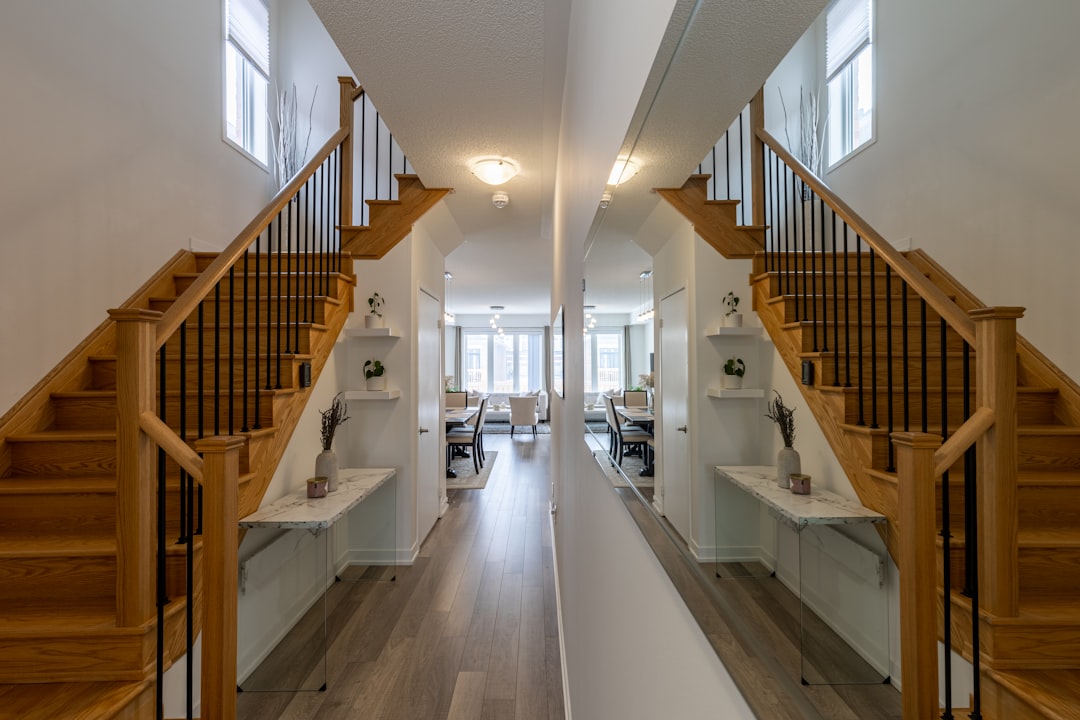
Expert Tips for Stair Tread Replacement in New Jersey Homes
Introduction
Stair tread replacement is an essential home improvement task that can significantly enhance the safety and aesthetics of your home. For homeowners in New Jersey, where architectural styles vary widely, updating stairs can also contribute to maintaining property value. Whether you’re dealing with worn-out stairs or simply looking to refresh your home’s interior, knowing how to effectively replace stair treads is crucial. Here are expert tips to guide you through the process of updating stairs in New Jersey homes.
Understanding Stair Treads
Before diving into the replacement process, it’s important to understand what stair treads are and their role in your staircase. Stair treads are the horizontal parts of the stairs that you step on. They endure significant wear and tear due to daily use, making them susceptible to damage over time. Replacing your stair treads not only improves the appearance of your stairs but also enhances safety by providing a sturdier surface to walk on.
Assessing Your Current Stairs
The first step in replacing stair treads in your New Jersey home is assessing the current condition of your stairs. Look for signs of wear such as cracks, squeaks, or loose treads. It’s also essential to consider the material of your existing treads. Common materials include wood, carpet, and laminate, each requiring a different approach to replacement. Identifying these factors will help you determine the best replacement materials and methods.
Choosing the Right Material
Selecting the right material for your stair treads is crucial for both aesthetics and functionality. In New Jersey, where homes range from historic to modern, you have various options. Hardwood is a popular choice due to its durability and classic look. Oak, maple, and cherry are excellent options that can complement any style. For a more contemporary feel, consider laminate or engineered wood, which offer a variety of finishes and are often more budget-friendly.
Preparing for Replacement
Preparation is key to a successful stair tread replacement project. Start by gathering all necessary tools and materials. Essential tools include a tape measure, saw, adhesive, nails, and a hammer. It’s also beneficial to have safety gear such as gloves and goggles. Measure your stairs carefully to ensure the new treads fit perfectly. This step is especially crucial in older New Jersey homes where stair dimensions may not be uniform.
Removing Old Treads
Once you’re prepared, the next step is to remove the old treads. Begin by carefully prying them up using a crowbar or similar tool. Take care not to damage the risers, as these will remain in place. If the treads are glued, you may need a heat gun to soften the adhesive. As you remove each tread, clean the area thoroughly to ensure the new treads adhere properly.
Installing New Treads
With the old treads removed, it’s time to install the new ones. Apply adhesive to the top of the risers and fit the new tread into place. Make sure each tread is level before securing it with nails. For optimal results, start from the bottom of the staircase and work your way up. This method ensures stability and alignment throughout the process. If using wood treads, consider staining or sealing them to protect against wear and enhance their appearance.
Addressing Squeaky Stairs
Squeaky stairs can be a common issue in both new and old New Jersey homes. During the tread replacement process, take the opportunity to address any squeaks. Squeaks are often caused by loose nails or gaps between the tread and riser. You can eliminate these by driving additional nails into the squeaky areas or using a wood adhesive to fill gaps.
Safety Considerations
Safety should always be a priority when replacing stair treads. Ensure your work area is well-lit and free of obstacles. If you’re working on a staircase in a high-traffic area, consider setting up temporary barriers to prevent accidents. Additionally, make sure your new treads are securely fastened to avoid slips or falls. Non-slip finishes or stair runners can also enhance safety, especially in homes with children or elderly residents.
Hiring a Professional
While many homeowners in New Jersey may feel confident tackling stair tread replacement as a DIY project, there are instances where hiring a professional is advisable. If your stairs are structurally compromised or if you’re unsure about the best approach for your home, a professional can offer expertise and ensure a high-quality result. Professional installation also guarantees compliance with local building codes, which is particularly important in New Jersey’s diverse housing market.
Conclusion
Replacing stair treads is a practical and rewarding home improvement project that can transform the look and feel of your New Jersey home. By carefully assessing your current stairs, choosing the right materials, and following a structured installation process, you can achieve beautiful and long-lasting results. Whether you opt for a DIY approach or hire a professional, these expert tips will help you navigate the process smoothly, ensuring your stairs in New Jersey are both safe and stylish.
To learn more, visit us on:
Up Stairs Rails
https://www.upstairsrails.com/
732-277-9135
203 Buermann Ave, Toms River, NJ 08753
Up Stairs Rails specializes in indoor railing installation and stair railing services in NJ. Our team masterfully blends safety with sophisticated style, delivering tailored designs for both homeowners and builders. Benefit from our unmatched craftsmanship, as our fully insured experts are steadfastly committed to achieving your vision and ensuring satisfaction. Explore a world of elegant house railings with us.


For more information on stairs new jersey contact us anytime.
